
NAD+
Injectable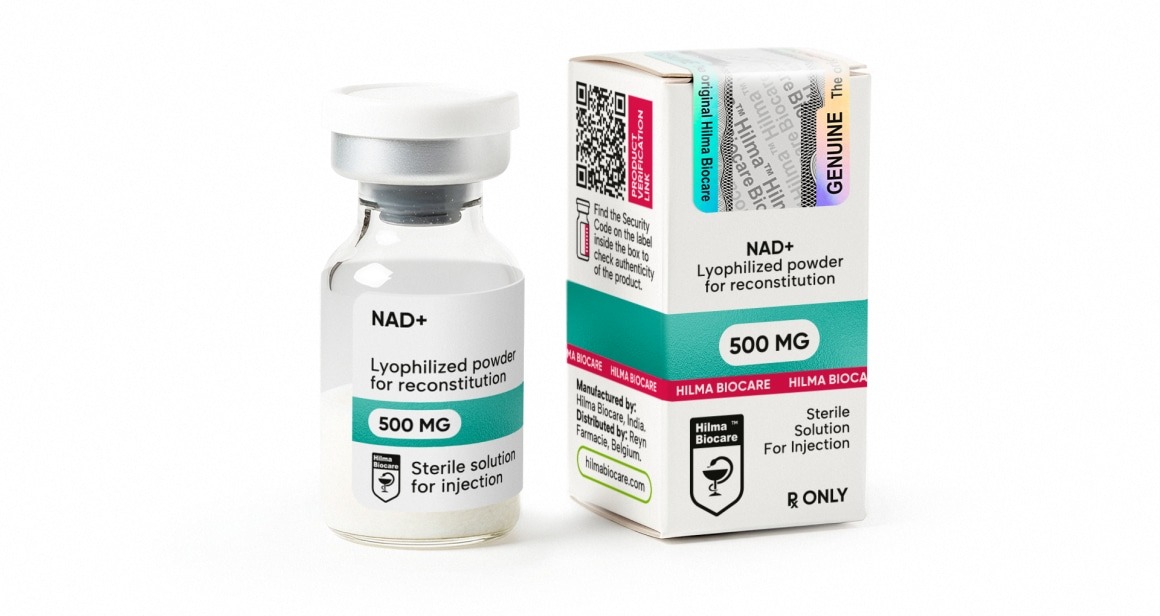
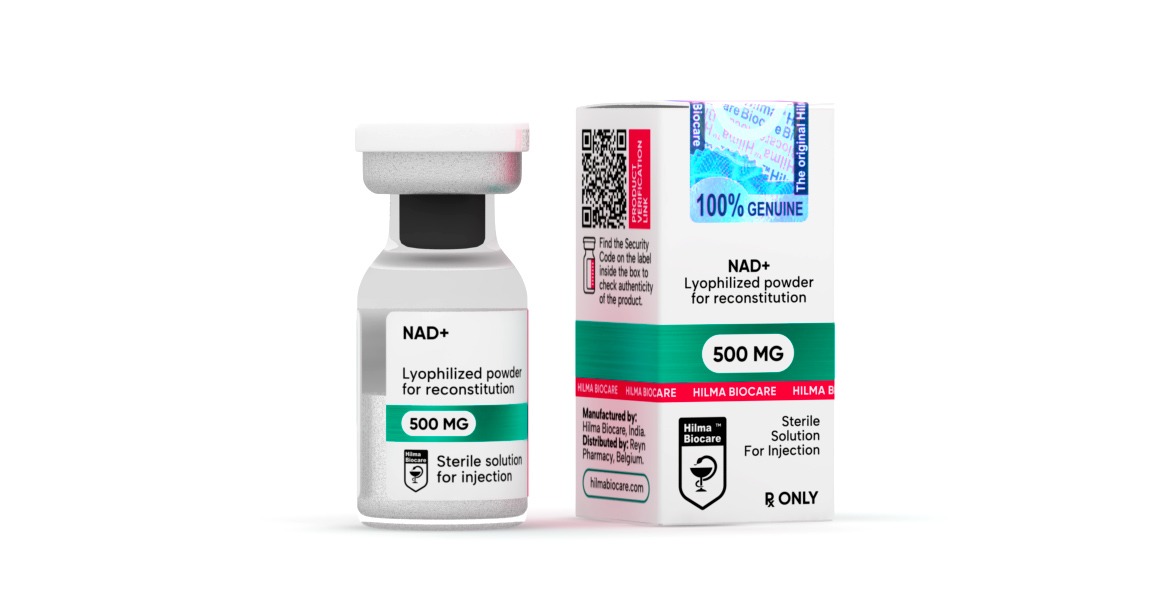
Specifications NAD+
Company: Hilma Biocare
Group: Injection/powder
Active Half-life (min): 7 to 30
Subgroup: Peptide hormone
Dosage: 500 mg
Application (Men): 200-1000 mcg
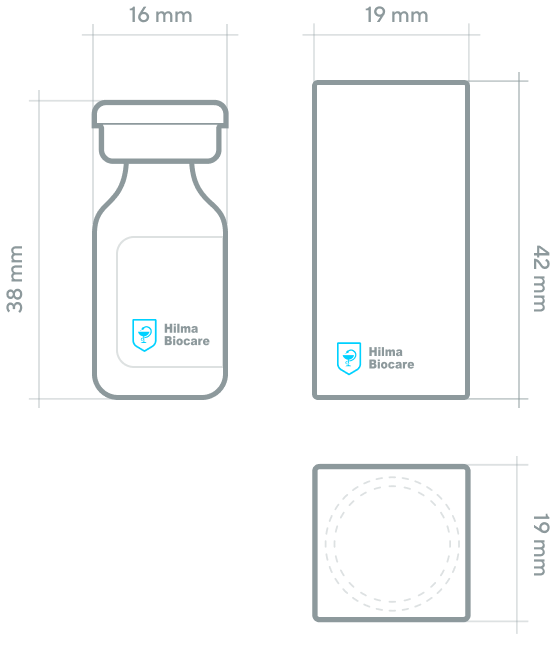
Product pack: 1 vial
Content (active): NAD+
Retains water: No
Aromatization: No
DESCRIPTION
NAD+ (nicotinamide adenine dinucleotide) is a coenzyme present in all living cells. NAD is a dinucleotide composed of two nucleotides linked by their phosphate groups. One nucleotide contains adenine as the nitrogenous base, the other nicotinamide. Nicotinamide adenine dinucleotide exists in two forms: oxidized (NAD+, NADox) and reduced (NADH, NADred). In metabolic processes, NAD participates in redox reactions, accepting or donating electrons. NAD+ is synthesized de novo from amino acids and is also formed by recycling the breakdown products of pyridine nucleotides.
MAIN FUNCTIONS
NAD+ is responsible for energy production (ATP), DNA repair, immune function, and protection against aging. With age, its levels decrease by 50–80%, leading to fatigue and disease. NAD+ is often used in anti-aging therapies to improve metabolism and cellular regeneration.
Cellular energy: NAD+ acts as a “power plant,” transporting electrons to generate energy in the mitochondria.
DNA repair: It is involved in repairing damaged DNA molecules, which is critical for preventing cellular aging.
Anti-aging: NAD+ levels decline with age, and increasing them helps slow the aging process and support cognitive function.
Metabolism regulation: It regulates metabolism, inflammation, and helps cells function properly.
DOSAGE AND APPLICATION
The lyophilized form of NAD+ is usually injected subcutaneously into the fat layer (often in the abdominal area).
The recommended starting dose is 50 mg per injection. In most cases, it is not recommended to administer more than 100 mg per injection. In some cases, injections may cause a burning sensation, especially when exceeding the recommended dosage.
Frequency: subcutaneous NAD+ administration protocols are quite flexible. A typical regimen used as part of preventative therapy for a healthy middle-aged individual might look like this:
Weeks 1-2: 25 mg twice a week;
Weeks 3-4: 50 mg twice a week;
Weeks 5-6: 100 mg twice a week;
Weeks 7+: 100 mg up to three times a week.
However, to achieve optimal results, the dosage should be individualized. The goal of determining the administration method is not a specific milligram dose, but rather achieving and maintaining an optimal intracellular NAD+ range. The optimal range is considered to be 40-100 μM. Levels above 100 μM generally provide no additional benefit and may carry risks. Levels below 40 μM indicate that cells are not receiving the required amount of the substance.
Consult your doctor for a customized dosage and administration schedule. To determine the effectiveness of the dosage, it is recommended to measure the actual intracellular NAD+ level before and after taking the drug. Regular NAD+ testing during therapy allows for dosage adjustments based on test results.
CONTRAINDICATIONS
Not recommended for use without consulting a doctor if you have cancer, are pregnant, breastfeeding, or have acute inflammatory conditions.
DRUG INTERACTIONS
Medications and supplements that should not be used in combination with NAD+ include insulin, blood thinners, cancer treatments, and other medications. Before starting NAD+, consult your doctor and tell them about any other medications and supplements you are taking.
SIDE EFFECTS
NAD+ is considered a relatively safe drug, with rare side effects. Some patients may experience nausea, fatigue, headache, upset stomach, flushing, or dizziness. Notify your doctor if you experience any side effects while taking the drug.
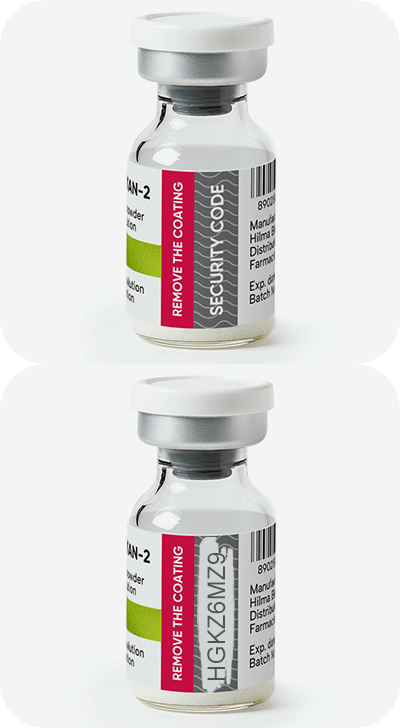

Hilma Biocare™ takes care of consumers and regularly develops various means of protecting its products, which ensures patient safety and trust to verify our products
Want to be Hilma Biocare products Reseller?
Please contact our manager to discuss collaboration details directly via Message form.
Become a Partner